What is the Connection Between Epilepsy and Sleep?
Do you ever wake up feeling like you barely slept? Do you wonder whether a silent seizure disrupted your rest or whether exhaustion led to the next one? For Australia’s 270,000 people 30 and 70 per centhave sleep problems. This creates a cycle: poor sleep triggers seizures, and seizures disrupt sleep. Keep reading as we look at the brain mechanisms, real-life experiences, and steps that can help you regain control.
Key Takeaways
- Vicious cycle: Poor sleep can trigger seizures, and seizures can disrupt sleep, especially the REM and deep stages.
- Sleep loss is a significant risk: even one bad night of sleep can increase brain activity that may trigger seizures.
- Sleep stages matter: Deep sleep can trigger seizures, while REM sleep can help calm them.
- Insomnia is common: About 43% of people with epilepsy experience insomnia, which can make their condition worse.
- Establishing a consistent bedtime and using tools such as the Epworth Sleepiness Scale or a polysomnogram (PSG) can help, and Medicare may cover these services.
How Sleep Affects Epilepsy
Why sleep is critical for brain function and seizure control
Sleep is your brain and body’s mandatory reboot – fuelling sharp performance the next day and beyond. Mess that up, and epilepsy flares. You flush those seizure toxins (like glutamate) way better when asleep. More consistent sleep significantly reduces next-day seizures in adults with stubborn focal epilepsy. Epilepsy Foundation Australia backs it: consistent sleep tames hyperexcitability, especially since 77% of JME folks seize after crappy sleep.
How sleep deprivation and irregular schedules trigger seizures
Not getting enough sleep can trigger interictal epileptiform discharges (IEDs), resulting in seizures. Sleep Health Foundation Australia warns that deprivation cranks epilepsy challenges way up.
The Role of Deep Sleep and REM in Epilepsy Patterns
Not all sleep stages are equal. The body preserves its built-in antiepileptic functions during deep non-REM sleep because neural activity is suppressed, whereas REM sleep increases neural excitability, especially when the temporal lobe becomes active. Research shows that seizures start a destructive sequence that leads to poor sleep quality through the reduction of REM sleep duration during the following night. The brain stays in an extended state of high arousal because it cannot reach the recovery stages, which would help it reset its seizure threshold for tomorrow.
How Epilepsy Disrupts Sleep
Nighttime seizures and frequent awakenings
Seizures smash sleep structure, significantly boosting wake-after-sleep-onset (WASO). Tonic-clonic events fully rouse, while subtle focal ones remain unnoticed. Epilepsy Action Australia notes many endure frequent micro-awakenings nightly, mimicking chronic insomnia.
Insomnia, sleep apnea, and daytime fatigue in epilepsy patients
Obstructive sleep apnea (OSA) affects 30–49% of cases, per studies like Monash polysomnography, as apneas extend hypoxia, irritating the hippocampus. This drives excessive daytime somnolence (EDS) on the Epworth Scale, affecting safety across Australia’s wide regions. Central apnea in Lennox-Gastaut syndrome compounds the challenge.
Recognising Epilepsy-Related Sleep Disorders
Identifying the difference between tired and pathological is key. Clinicians utilise the Epworth Sleepiness Scale, where a score exceeding 10 indicates clinical risk. Nearly 43% of adultswith epilepsy meet criteria for clinical insomnia, which is often underdiagnosed and mistaken for medication-related fatigue.
Nocturnal Seizures Explained
What Are Nocturnal Seizures and Their Signs
These events are treacherous because they often go unwitnessed. They typically strike during non-REM light sleep (Stage 1 or 2). Definitive signs include unexplained bedwetting, severe tongue biting, or waking with muscular soreness and confusion. Austin Health monitoring shows nocturnal seizures often extend post-ictal recovery.
Types of Epilepsy Most Linked to Sleep
How anti-seizure meds cause drowsiness or insomnia The sleep-wake cycle and certain epilepsy syndromes are deeply intertwined.
- Juvenile Myoclonic Epilepsy (JME): seizures occur within an hour or two after waking.
- Frontal Lobe Epilepsy (FLE): seizures predominate during sleep; misdiagnosed as “night terrors”
- Temporal Lobe Epilepsy (TLE): REM-tied IEDs.
Distinguishing from Other Sleep Issues
Nighttime issues like seizures can feel like sleep apnea or parasomnias, but check these giveaway differences. They’re super helpful for sorting epilepsy from other stuff:
Nocturnal Seizure:Hits any sleep stage (often NREM 1/2), short (under 2 mins) and same every time, EEG shows IED clusters & sharp waves.
Sleep Apnea:Throughout the night (hypoxic pauses 10-60 seconds, repetitive), normal EEG (unless hypoxic).
Parasomnia: Deep sleep (slow wave), variable/ longer duration, normal EEG.
The practical question isn’t “what was it?” but “what test will settle it?”. Each leaves distinct traces across synchronized channels: video behavior, EEG, and cardiorespiratory signals. They also produce different patterns across multiple synchronized monitoring channels:
- Video (visible behaviors during sleep)
- EEG (brain electrical activity)
- Cardiorespiratory signals (heart and breathing patterns)
Medication Effects on Sleep
How anti-seizure meds cause drowsiness or insomnia
Medications such as levetiracetam (Keppra) can trigger irritability and insomnia in some users. In contrast, topiramate (Topamax) often leads to cognitive slowing and somnolence. Additionally, valproate sedates by acting on GABA. Moreover, cenobamate can cause dizziness. On another note, phenobarbital extends NREM sleep but may fragment REM. Furthermore, lamotrigine can cause fatigue at higher doses. According to the Therapeutic Goods Administration (TGA), these sleep shakes hit 20–30% of folks.
When to discuss sleep side effects with your doctor
It’s important to tackle sleep problems right away. Feeling drowsy during the day can make driving dangerous and increase the chance of falls. Patients shouldn’t have to live with sleep disruptions as the norm. Sleep patterns can differ based on the antiseizure medication used. For instance, brivaracetam is generally easier on insomnia compared to levetiracetam, while stiripentol tends to make most patients feel sleepy.
Australian epilepsy resources advise that persistent sleep problemsshould prompt a clinician review, as they affect seizures; treatment adjustments, including medication changes, may be considered.
Tips for Better Sleep with Epilepsy
Creating seizure-safe sleep routines and environments
With epilepsy, sleep isn’t just rest. It’s a daily reset button for your brain’s seizure threshold. It’s all about consistency. When your sleep timing stays steady, your brain’s internal clock stays steady too. The brain activity is less likely to spike into a seizure.
- Consistency is the non-negotiable. The Sleep Health Foundation Australia recognises sleep hygiene as a medical intervention, not a lifestyle preference.
- Protect a fixed sleep window. Austin Health supports a consistent sleep window (e.g., 10 pm-6 am). Minimise deviations whenever possible.
- Optimise the sleep environment. Keep the bedroom cool (~18 °C) and completely dark to support melatonin production, which has natural anticonvulsant effects.
Lifestyle habits to reduce sleep-seizure cycles
- Ditch caffeine after 2 pm. It messes with your wind-down, per Epilepsy Foundation guidelines.
- No booze at all. Alcohol chops up REM sleep, prime time for sneaky nocturnal seizures.
- Exercise daily, but wrap up 4 hours before bed. It keeps energy balanced without revving you up late.
- Chase the daytime sun. It sparks melatonin to fix your body clock, perfect for Australia's bright climate.
- Skip night shifts (big in FIFO jobs). If stuck, grab a quick nap ( less than 30 mins) early to dodge rhythm wreckers.
When to Seek Help
Warning signs and sleep tests for epilepsy
Know the triggers: Ever nod off mid-day and nearly faceplant? That’s excessive daytime sleepiness (EDS) hitting when your Epworth Scale score creeps over 10. Or those scary gasps in the night, your partner mentions? It could be classic signs of obstructive sleep apnea (OSA), which affects about 30% of adults with epilepsy, more common than in the general population. Don’t brush off weekly wake-ups either. They scream something’s wrong with your rest.
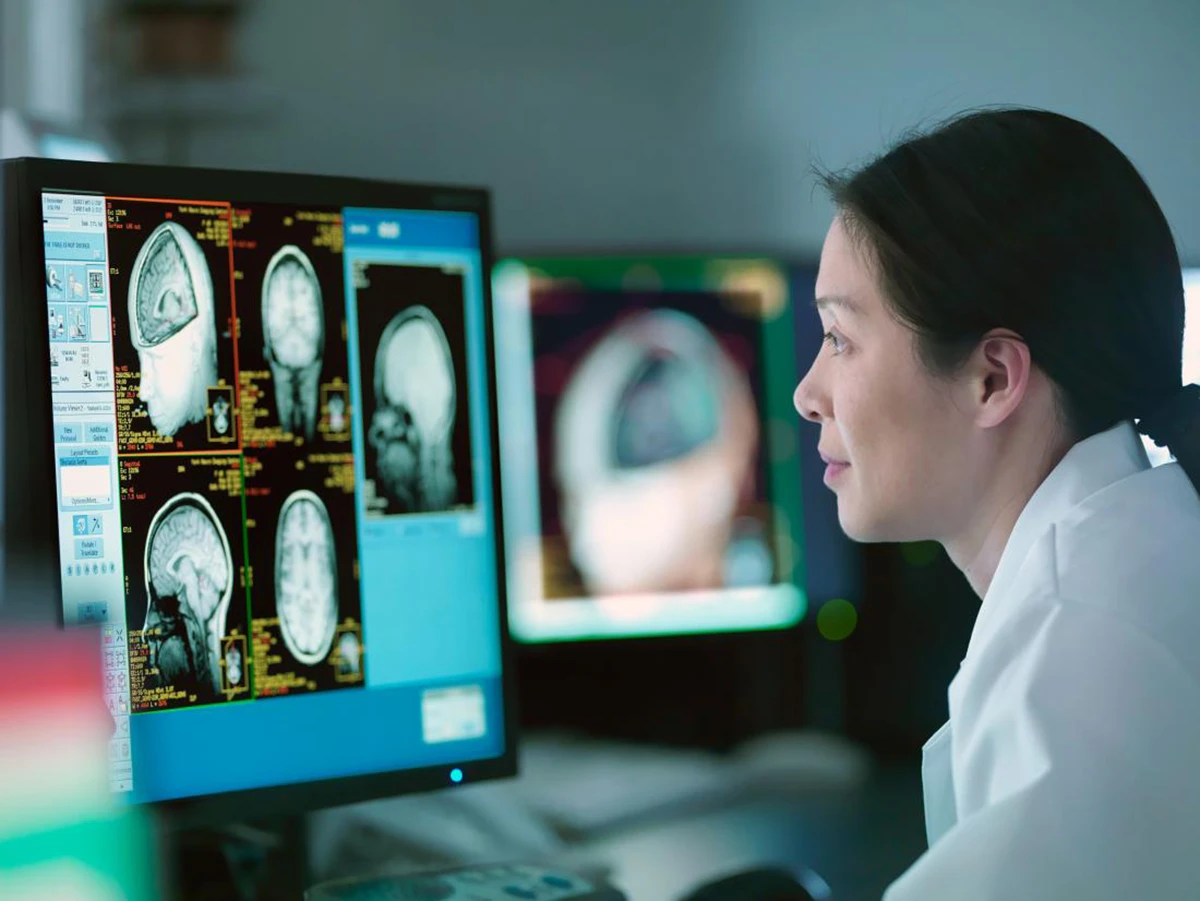
Get serious with tests. Overnight polysomnography (PSG) at an accredited sleep lab (MBS Items 12203–12250) detects far more sleep problems than questionnaires alone. Combined with home oximetry or ambulatory EEG, it provides a comprehensive view of your sleep health.
| Warning Sign | What It Feels Like | Go-To Test |
|---|---|---|
|
EDS
|
Dozing on the drive |
PSG (Item 11498)
|
|
Gasping
|
Choking awake
|
Home oximetry
|
|
Awakenings |
Up every night |
Ambulatory EEG |
Working with neurologists and sleep specialists
Start with your GP for an e-referral to AEP-affiliated epileptologists. AEP-affiliated multidisciplinary teams at big hospitals merge brain and sleep smarts to crack even the trickiest cases. What they do is, they dig into your AEP app logs and PSG results side-by-side.
If you’re out of regional, like in Queensland, telehealth is your best friend here. It lets you skip the long haul into the city by connecting you straight to specialists via video, all while securely sharing your My Health Record data instantly.
Living well with epilepsy and healthy sleep
AEP is recruiting a cohort of up to ~4,000 adults with epilepsy to accelerate precision diagnosis and improve treatment outcomes, to reduce seizures and improve quality of life.
Tap support: The Epilepsy Foundation hosts free monthly sessions where you can connect with peers and share helpful strategies. Check out the AEP app for alerts on those high-risk nights. If you need support, call the 24/7 crisis hotline at 1300 37 45 37. You can also join trials for the latest wearable technology. Consistency improves seizure control for many patients, showing that epilepsy doesn’t have to overshadow daily life.
Final Thoughts
Frequently Asked Questions
Can lack of sleep trigger seizures?
Totally. Your brain craves steady rest to keep excitability in check. Skip it, and the seizure switch flips easier, especially after all-nighters or jet lag vibes. Build that rock-solid routine; it’s your first line of defence.
Are seizures more common during sleep?
Yep, they love the quiet hours. Nocturnal ones sneak in during light sleep transitions, often going unnoticed till morning fog hits. Waking up sore or confused? That’s the clue; track patterns to stay ahead.
What is sleep-related epilepsy?
This refers to epilepsy syndromes where seizures are closely linked to sleep cycles, such as juvenile myoclonic epilepsy upon waking or frontal lobe seizures at midnight. Recognising this connection guides targeted treatment. Discuss symptoms with an expert.
Does epilepsy cause insomnia?
Yeah, seizures can wake you up, meds can make you jumpy, and then you’re just staring at the ceiling thinking about stuff. That terrible pattern really drains your energy. Wind down with some relaxing routines for your brain’s detox.
How many hours of sleep do people with epilepsy need?
Get 7-9 hours of sleep, but it’s more about being consistent than squeezing in extra shut-eye. Irregular bedtimes can disrupt your body’s natural schedule, and that’s no good. Figure out a schedule that suits you for calmer days ahead.
Can naps help people with epilepsy?
Quick naps under 30 minutes won’t mess up your sleep, so they’re great for that after-lunch energy dip. If they are longer, they avoid deep rest afterwards, which can lead to clusters. Time them; keep them short.
Does sleep apnea make epilepsy worse?
Yes. Apnea’s oxygen drops act as seizure triggers, worsening control. If you snore or feel unrested despite long nights, screening is essential. Effective treatment like CPAP can transform your stability.
Can improving sleep reduce seizure frequency?
Yes, it’s profoundly impactful. Better sleep stabilises brain excitability directly. Simple changes like a cool, dark room yield results. Reach out via telehealth if needed; we’re in this together for lasting calm.